Introduction
HNK Hajduk Split, known as Bili, is not only a football club; it is a symbol of the identity of the city of Split and its residents. Each time Hajduk faces rivals, especially GNK Dinamo Zagreb, the atmosphere in the stadium becomes energetic, filled with emotions and passion. This supporter culture encompasses numerous traditions and rituals that are passed down from generation to generation.
Traditions and Rituals
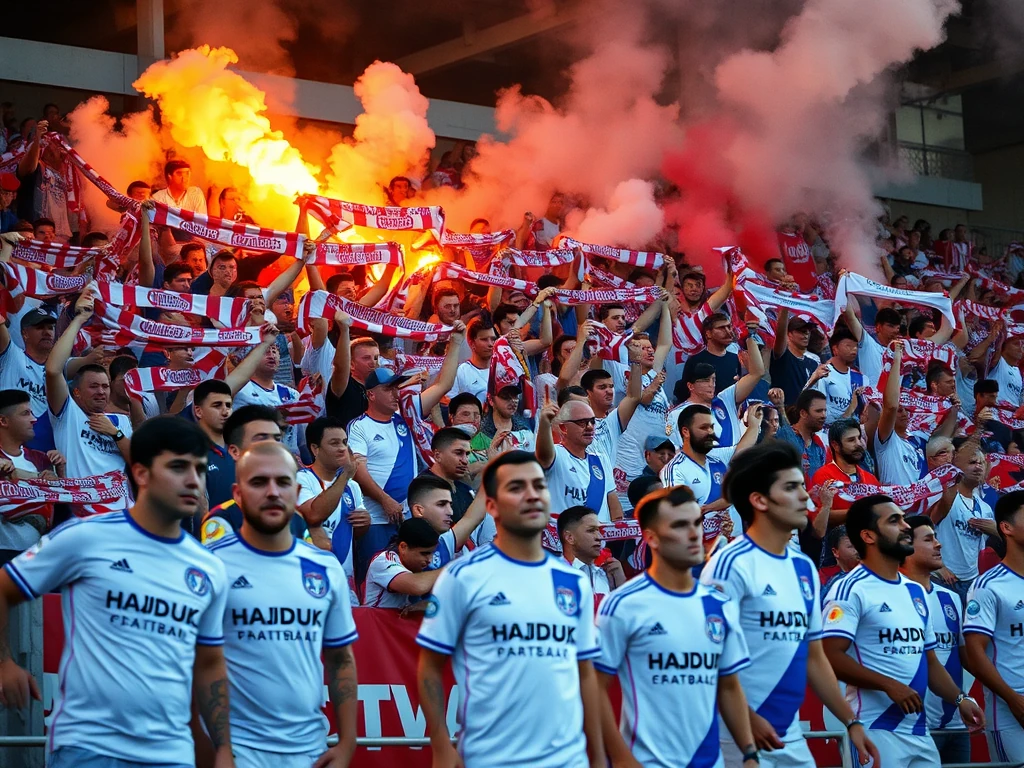
One of the most notable traditions of Hajduk's supporters is singing. Fans, known as Torcida, gather for hours before a match to sing together, and their songs often contain historical and emotional messages. These melodies not only lift the spirits but also create a sense of community among all present. Before the derby, Torcida gathers at Trg Republike, where various events take place, including street concerts and performances.
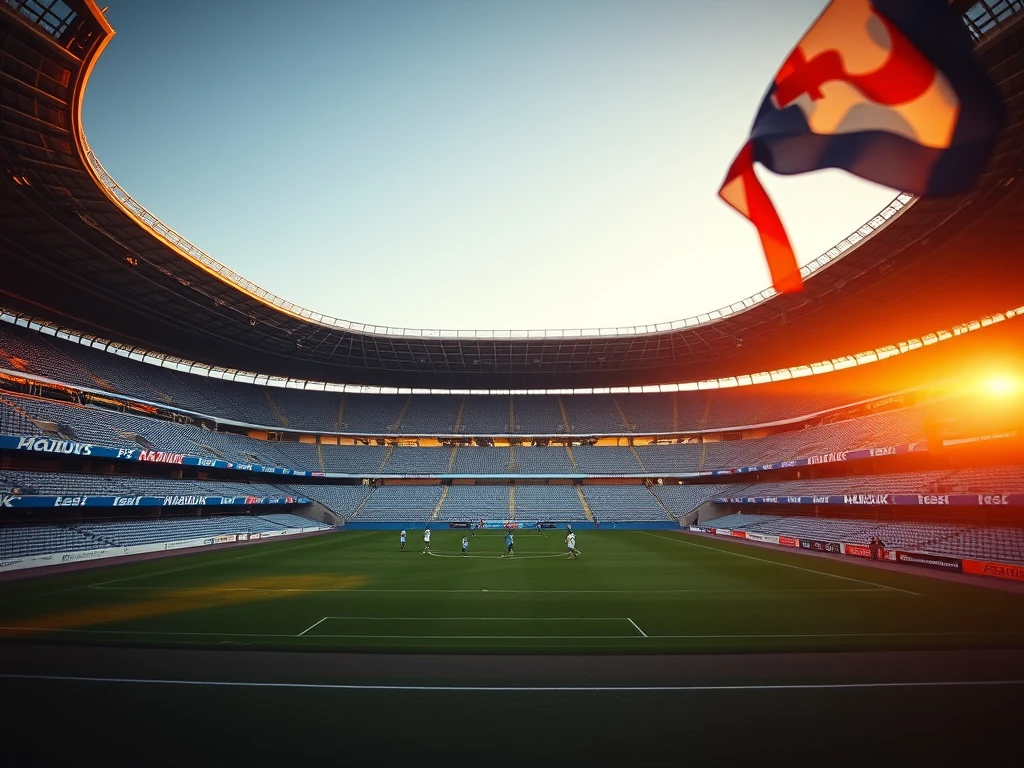
In addition to songs, Hajduk's supporters have specific rituals that take place before each match. One of them is the “lighting of flares,” which symbolizes passion and dedication to the club. This tradition creates an impressive spectacle, as thousands of flares are lit at the same time, illuminating the stadium and creating an unforgettable atmosphere. The illuminated stadium, combined with the sounds of songs, makes every supporter feel connected to the club's history and what Hajduk represents.
Derby Atmosphere
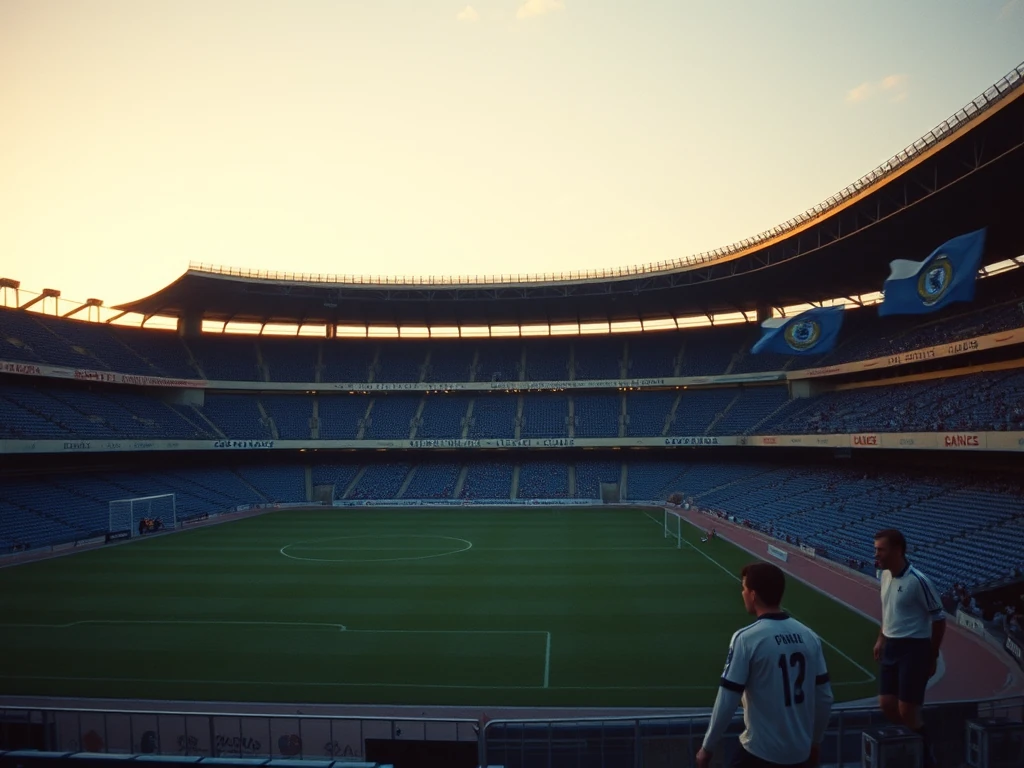
When Hajduk plays against Dinamo, the atmosphere in the stadium reaches a peak. This rivalry is not only sports-related; it is emotional, deeply rooted in history and tradition. Fans come not only to watch the match, but to give their support and energy to the players, and the stadium becomes a place where passion and history intertwine. These matches often turn into a true spectacle, and supporters use various props, banners, and songs to create a unique atmosphere.
Ritual Preparation
Before each match, Hajduk's supporters engage in rituals that include communal prayers and blessings. These moments of solidarity and connection with the club strengthen the spirit of community among the fans. Many wear jerseys and scarves with pride, and the symbols of Hajduk become part of their daily lives. These rituals not only strengthen the community but also ensure that every supporter is part of something greater.
Conclusion
The culture of Hajduk's supporters is not only about football; it is about community, tradition, and passion. Every match is an opportunity for celebration, and every derby becomes a historic moment to remember. Hajduk Split and its supporters together create an incredible story that has lasted for over 110 years, and their passion continues to inspire new generations.